Executive Summary
This report provides an overview of discussions held across various locations in Kwale to address issues surrounding menstrual hygiene for women and girls. It highlights the key challenges girls face during their menstrual cycles and proposes actionable solutions to improve their hygiene and well-being.
Introduction
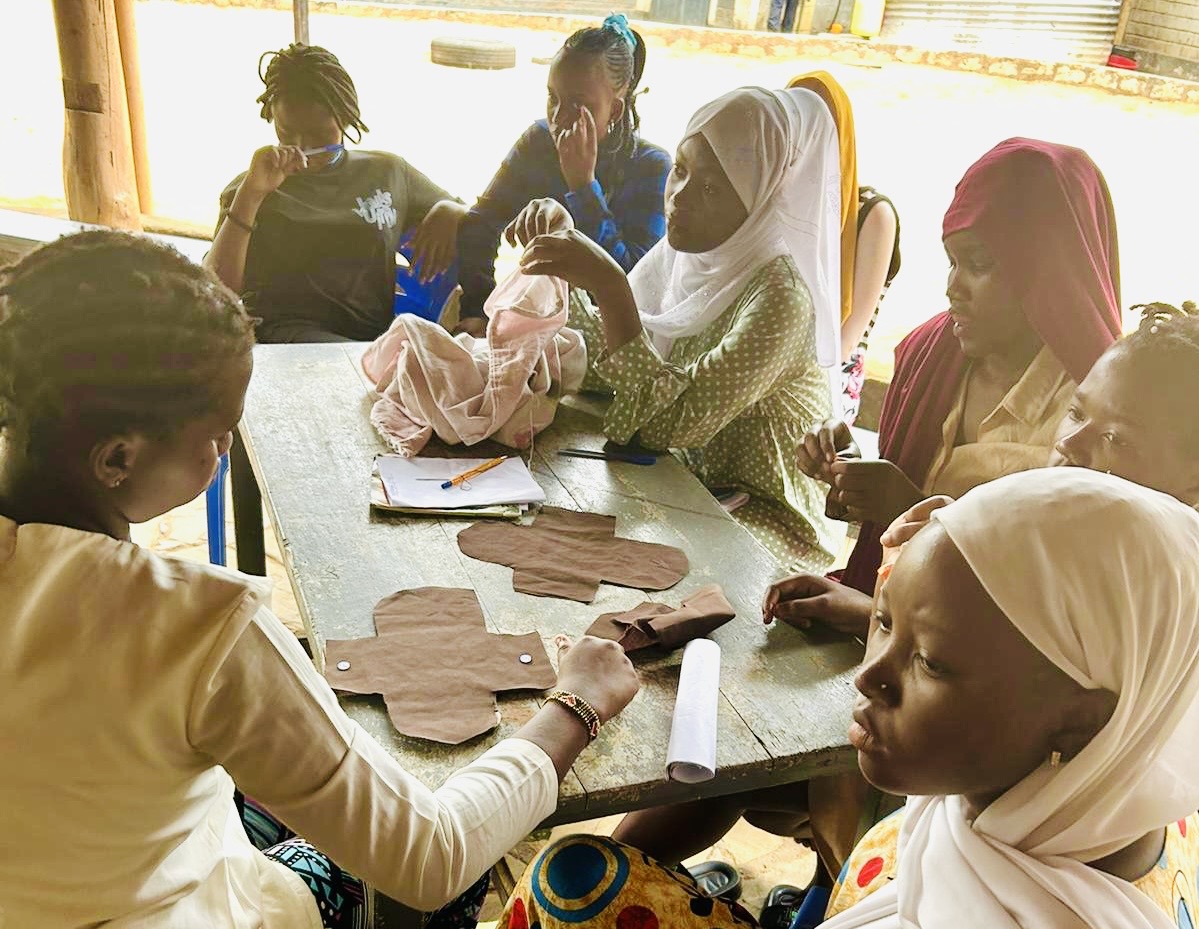
This report aims to explore how WWE can support young girls and women in overcoming menstrual hygiene challenges. This can be achieved by introducing reusable sanitary towels in schools and communities and providing additional information on maintaining cleanliness during menstruation.
Sessions Conducted
We organized two sessions with different age groups of girls:
9–17 Years
Girls in this age group often feel shy about the bodily changes associated with menstruation. Many take time to open up and accept menstruation as a natural part of growing up.
17–24 Years
In this age group, participants showed curiosity about monitoring their cycles and were eager to learn about myths and misconceptions regarding sanitary hygiene products such as tampons and menstrual cups and pregnancy prevention methods.
Findings
- Boosting Confidence: Girls below 15 require more menstrual hygiene education to boost their self-esteem.
- Traditional Methods: Due to financial constraints, some girls in the community still use traditional methods, such as pieces of cloth or mattress padding.
- Economic Dependence: Unemployment among local women forces them to depend on their husbands, making it difficult to afford sanitary products.
Recommendations
- School Outreach Programs: Conduct more school visits to educate girls about menstrual hygiene and break the stigma associated with menstruation.
- Central Distribution Points: Establish central pick-up points where girls can collect reusable sanitary towels.
- Community Sewing Projects: Initiate a project to sew reusable pads, employing local women to address menstrual hygiene needs and unemployment. This initiative can provide additional income for women and support their families.
By implementing these recommendations, WWE can significantly improve menstrual hygiene management and empower young girls and women in the Kwale community.
 Women Wellness & Empowerment